Madonna. The original shape-shifter. Once the blueprint for pop reinvention, now fighting for attention inside feeds that treat heritage as furniture.
So she does what Madonna does best and sidesteps the obvious and shows up somewhere unexpected that dodges billboards via a quiet drop into Grindr, where people are already trading glances, swapping stories and deciding what matters to them.
Confessions II isn’t just being advertised to the LGBTQ+ community. It’s being dropped right into the middle of one of its busiest rooms. Madonna fills the grid with exclusive drops, location-based surprises and a limited-run Grindr-only picture disc. It feels less like an ad and more like she’s turned up next door, pinging your phone and setting up shop in your notifications.
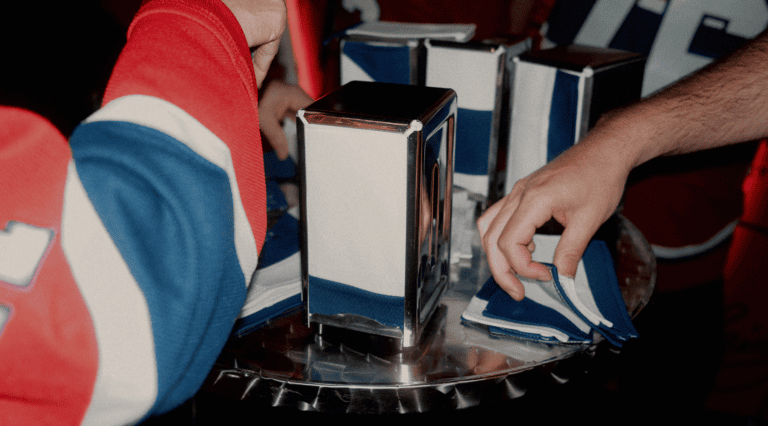
The vinyl is the smart object as it turns the interface into retail without making it feel like retail. It is sold as something made “just for” Grindr users, even if the actual purchase route is not as closed as the campaign language suggests.
Musically, the early material points back to 2000s clubland and is less TikTok bait, more dancefloor bangers, and that matters because this campaign is selling a behaviour, not just a record; it’s a listen together moment among a very specific community.
It also lands neatly inside Grindr’s own repositioning. The company wants to be more than a hookup app, and its “Global Gayborhood” language, telehealth moves, and lifestyle ambitions all point to the same commercial project: turning a high-frequency dating utility into broader LGBTQ+ infrastructure.
Does the community feel served or harvested? Probably both. In the 2026 attention economy, that near-you ping is not just a hello. It is a summons.
The Queen is in her counting house, and she has found a new door.